
October 2, 2025
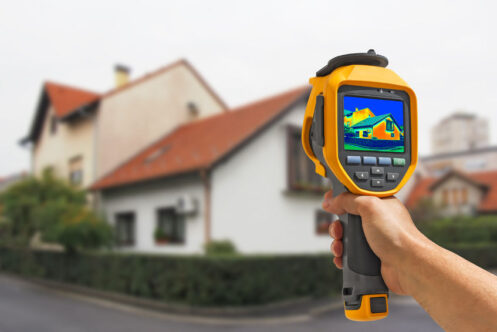
When fall arrives, you will start shifting from cooling your home to heating it. This can be a great time to reveal problems that remained hidden during the summer. That said, identifying the cause of these issues is not always easy. Thermal imaging can provide an innovative approach to identifying hidden HVAC issues before they escalate. This helps to ensure that your system runs efficiently throughout the colder months.
Why Fall Is the Ideal Time for HVAC Inspections
Fall creates unique demands on an HVAC system. Temperatures fluctuate from warm afternoons to chilly nights, which forces equipment to switch between heating and cooling modes. These frequent shifts place added stress on components such as ductwork, fans, and compressors. Identifying small problems now prevents major breakdowns when winter arrives, and your system works harder for more extended periods.
Thermal imaging gives you a precise tool to use during this seasonal window. When we can detect temperature variations that are invisible to the naked eye, we can uncover airflow restrictions, insulation gaps, and mechanical malfunctions before they cause disruptions. Fall inspections provide peace of mind while energy costs remain manageable.
How Thermal Imaging Works in HVAC Maintenance
Thermal imaging depends on infrared cameras that can translate heat patterns into visual images. Every object in your home emits infrared radiation, and the camera will convert this into a color-coded image that can highlight temperature differences. Warm areas appear in shades of red, orange, or yellow, while cooler zones appear in blue or purple.
In HVAC systems, this technology makes it easy to spot irregularities. We can scan ductwork, vents, walls, and even the equipment to identify where air escapes, where components overheat, or where cold spots suggest restricted airflow. Instead of guessing at the cause of inconsistent heating or cooling, thermal imaging delivers immediate answers.
Detecting Ductwork Problems
Leaky ductwork remains one of the most common sources of HVAC inefficiency. Small cracks or loose connections allow heated or cooled air to escape before it can reach the intended rooms. This forces the system to run longer to compensate, which increases energy costs.
Thermal imaging reveals these leaks with striking clarity. We can move the camera along the duct system and instantly see where conditioned air escapes into unconditioned spaces. Addressing these leaks in the fall ensures even temperatures throughout the home when cold weather intensifies.
Identifying Insulation Gaps
You may blame your HVAC system when you experience uneven heating, but poor insulation can play an equally significant role. Missing or damaged insulation allows heat to escape during winter and seep inside during summer.
Thermal imaging highlights these problem areas by showing cooler patches along walls, ceilings, or around windows. When paired with other heating maintenance tasks, these scans confirm whether the system struggles due to mechanical problems or because conditioned air cannot remain contained within the home. Fixing insulation gaps in the fall will provide long-term comfort and energy efficiency.
Spotting Overheating Components
Mechanical parts in furnaces and air handlers can overheat when subjected to stress, wear, or electrical issues. While some signs, such as strange odors or noises, eventually appear, thermal imaging detects abnormal heat signatures before a breakdown occurs.
A scan of motors, compressors, and wiring will help to reveal hotspots that suggest strain on your system. Replacing or repairing these parts early can prevent sudden failures in the middle of winter when you rely most on your heating system.
Improving Indoor Comfort
Comfort is often described in terms of temperature consistency. Drafts, cold spots, or rooms that never seem to stay warm diminish the overall enjoyment of a home. Thermal imaging pinpoints the reasons behind these discomforts.
The scans may reveal that one room receives less airflow due to a blocked vent, or that heat escapes through poorly sealed windows. In either case, addressing the issue before winter keeps every room cozy and reduces the need for constant thermostat adjustments. Comfort improves because the home maintains a balanced and steady climate.
Thermal imaging also helps prevent the frustration of a home where one family member is too hot while another is too cold. When every room receives even airflow, family members can finally agree on a thermostat setting. Comfort stops being a compromise and becomes the standard.
Saving Energy and Lowering Costs
Energy costs continue to rise, and every inefficiency in your HVAC system directly impacts your utility bill. Air leaks, poor insulation, or overheating components all increase the workload on your furnace or heat pump. When your system consumes more energy to achieve the same results, you end up paying more each month.
Thermal imaging identifies exactly where these inefficiencies occur. Once corrected, your system operates at peak performance, which reduces energy use without compromising comfort. Over time, the money saved on utility bills often offsets the cost of a thermal inspection and any recommended repairs.
The benefits extend beyond monthly bills. When your system consumes less energy, it reduces your household’s overall carbon footprint. If you are an eco-conscious homeowner, thermal imaging becomes an investment in both financial savings and environmental responsibility.
Supporting Long-Term HVAC Health
A well-maintained system can last for many years, but neglecting to maintain it will shorten its lifespan. When you schedule a thermal imaging inspection, your system will run more efficiently and experience less strain during the winter months. Extending the life of your HVAC system not only saves money but also prevents the disruption of needing premature replacements.
Routine use of thermal imaging also creates a history of your system’s performance. By comparing scans year after year, our team can spot trends and predict when specific components may require service.
Protecting Indoor Air Quality
While you may associate HVAC with comfort and energy, your system also has a direct impact on indoor air quality. Air leaks in ducts can draw in dust, allergens, and even mold spores from unconditioned spaces. Once these pollutants enter the airflow, they circulate throughout the house.
Thermal imaging helps find where these leaks occur, which means that it is possible to seal them before they compromise your air quality. By addressing these problem areas, you reduce airborne irritants and create a healthier living environment. This benefit becomes especially important in the fall and winter when homes remain sealed tightly and families spend more time indoors.
Cleaner air not only reduces allergy and asthma symptoms but also protects the HVAC system itself. Filters stay cleaner longer, coils resist buildup, and airflow remains unobstructed. In the end, thermal imaging contributes not just to comfort and savings but also to the overall health of your family.
Contact Us for Reliable Thermal Imaging
Thermal imaging offers a powerful method of uncovering hidden problems with your HVAC system before you need major repairs. By revealing air leaks, insulation gaps, overheating components, and compromised air quality, this technology improves comfort, lowers energy costs, and extends system life. At Scott-Lee Heating Company, we have been a trusted HVAC company in the St. Louis area for over 46 years. Contact us today to book a thermal imaging inspection with our team.