
March 15, 2026
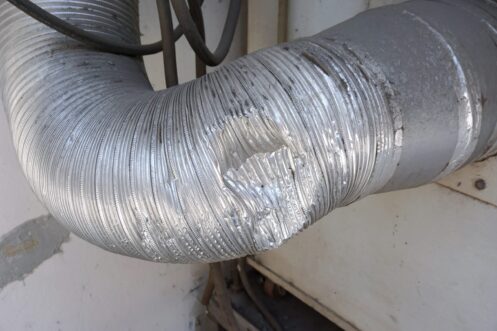
The operating performance and efficiency of your new HVAC system highly depend on the state of your existing ductwork. This is why it’s so important to always have your ducting inspected and replaced as necessary. Leaky ductwork, poor sealing, and inadequate insulation can all dramatically reduce the efficiency of your HVAC unit and increase your energy bills.
Why Is Ducting so Important?
It can be easiest to think of ductwork as the circulatory system of your home’s HVAC unit. It’s responsible for delivering heated or cooled air to each room throughout your home. When your ducts are leaky or poorly insulated, it leads to a few different problems. The most obvious is energy loss, as conditioned air escapes into your wall and floor cavities instead of making it to your rooms.
You’re more likely to experience inconsistent temperatures throughout your home and reduced airflow through your vents. Leaks in your ductwork can draw in unwanted dust and other debris from your wall and floor crevices. This can significantly decrease your indoor air quality by spreading unwanted airborne contaminants throughout your home. The Department of Energy estimates that homeowners roughly lose about 25% to 40% of their treated air through leaky ductwork in their homes.
Signs of Leaky Ducting
There are a few key indicators that you have leaky ductwork in your home. One of the most frustrating is increasingly high energy bills, as your HVAC system runs over time. You may experience uneven heating or cooling throughout the different rooms of your home. You may see more dust accumulation on the surfaces throughout your home and experience more allergy flare-ups.
If you have large gaps in your ducting, you may hear a whistling or rattling sound when your system is running. Any visible sections of ducting may have loose joints or visible gaps. If you’re experiencing any of these indicators of leaky ductwork, it’s best to consult one of our professionals. We can do a thorough inspection of your ducting system and repair or replace it as necessary.
Why Replace Your Ducting During a System Replacement?
Whenever you’re thinking about getting a new heating or air conditioning system for your home, it’s important to consider upgrading your ductwork. Even minor ducting issues can limit the performance of your new system and increase your energy bills. One of the most important reasons to consider replacing your ductwork during a system upgrade is to maximize your energy efficiency. This holds especially true if you’re purchasing a high-efficiency system, as it operates best with properly sealed ductwork.
When you replace your ductwork, it helps to ensure that you’re having a more consistent temperature throughout the different rooms of your home. You won’t have to worry about hot or cold spots when you have well-functioning ductwork. Upgrading your ductwork when you do a system upgrade helps to protect your new investment. There’s no doubt that new HVAC systems can be quite costly, and installing them with faulty ductwork could significantly shorten their lifespan.
Replacing your ductwork is great for getting rid of the buildup of dust, pollen, mold, and other airborne pollutants inside your existing ductwork. This can be great for enhancing your indoor air quality and limiting your allergy symptoms.
Getting a Professional Ductwork Inspection
When you decide that it’s time to upgrade your existing HVAC unit, it’s important to have one of our professionals do a thorough evaluation of your existing ductwork. This will help us determine if any repairs or replacements are necessary before installing your new system. One of the most popular methods used to assess your existing ducting is pressure testing. This helps to show visible leaks in your ducting system as well as identify undersized or poorly connected sections.
If your existing ductwork simply has small leaks or minor gaps, it can often be repaired with duct sealing service. This is where a specialized sealant or resin is injected into your ducting to create an airtight seal. Additionally, any exposed sections will be retaped with appropriate foil tape to ensure an airtight seal.
If your existing ductwork lacks adequate insulation, we may recommend adding more insulation to improve its energy efficiency. If your existing ductwork is extensively damaged, has outdated materials, or simply has a poor design, it may need full replacement. Replacing your ducting ensures that it’s appropriately sized to meet your new system’s airflow requirements. If you have undersized ducting, it could reduce airflow and put more strain on your system. If you have oversized ducting, it could lead to uneven pressure and noise-related issues.
Common Ducting Problems With Older Homes
Unfortunately, many older homes face some unique ducting challenges that newer homes don’t. It was pretty common for older homes to have rigid or undersized ductwork that doesn’t meet modern HVAC capacity requirements. Previous ducting materials made of fiberglass board or flexible plastic have been shown to deteriorate over time. If you have these outdated materials, it’s a good idea to upgrade when you do a system replacement. Another problem you may run into with your ducting in an older home is limited access to complete repairs or to do a thorough replacement.
How to Properly Maintain Your Ductwork
Once you have your new ductwork installed in your new HVAC system, you want to do everything possible to extend the longevity of your ducting. Ducts are mostly hidden behind walls, under your floors, and in your attic. They still require periodic attention to stay in good working condition.
One of the most important things you can do is keep up with your HVAC air filter changes. Your air filter is your first line of defense in protecting your ducting system. If you let it constantly get dirty, the airborne particles will start to build up inside your ducts. We recommend checking your air filter every month and replacing it whenever necessary.
You always want to keep all of your supply and return vents completely open and free of any obstructions. If you have rugs, curtains, or even furniture that blocks your vents, it will disrupt airflow throughout your entire ducting system. This creates pressure imbalances that can put strain on your ducting connections and lead to premature failure.
In general, most homeowners can benefit from having a professional clean their ductwork every three to five years. If you suffer from asthma, a respiratory condition, or allergies, you may want to consider more frequent cleanings. This cleaning service works to remove any debris buildup inside your ducting that could compromise its integrity and reduce your indoor air quality level.
Another service to consider about every eight years is duct sealing. This is where a specialized resin solution is injected into your ducting to seal up unwanted air leaks. This can be a great alternative to traditional ductwork replacement as long as you catch it early on. If you have major gaps in your ducting, sealing service is not the solution.
Expert Ductwork Replacement Services
Scott-Lee Heating Company provides expert ductwork replacement services for St. Louis and the surrounding areas. We can also assist with all your HVAC installation, replacement, repair, and tune-up needs. Call our office today to schedule your next service appointment with one of our helpful HVAC technicians.